What does a garage door safety inspection include?
Ensuring the safety and functionality of your garage door is essential for protecting your home and loved ones. A thorough garage door safety inspection covers numerous mechanical, electrical, and structural components to confirm that your door operates smoothly, securely, and in compliance with Australian safety standards. Whether you’re a homeowner, property manager, or DIY enthusiast, understanding what a comprehensive inspection entails will help you maintain your garage door’s optimal performance and safety.
What components are checked during a garage door safety inspection?
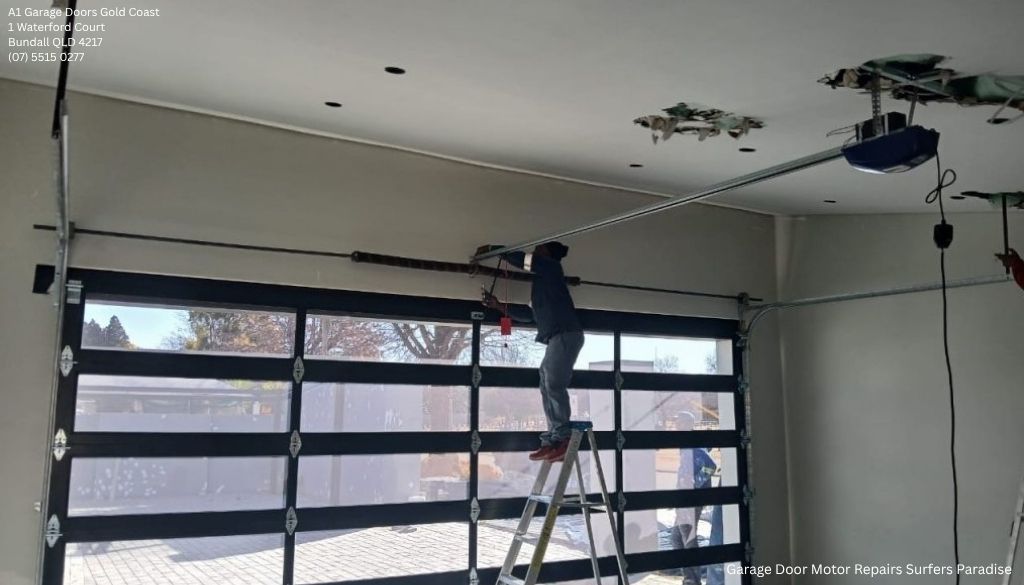
A detailed garage door safety inspection carefully examines many critical parts of the door system that affect its operation and safety features. These include:
- Door springs: Inspecting for signs of mechanical wear, corrosion, loss of spring tension, and potential breakage risks is vital since springs control the door’s balance and movement.
- Opener mechanism: The motor function, control switches, remote control responsiveness, and power supply stability are tested to ensure reliable automatic operation.
- Door tracks: Inspectors check for correct alignment, damage, accumulation of debris, and adequate clearance space to guarantee smooth and safe door travel along the tracks.
- Cable condition: Cables are reviewed for fraying, rust, or loose fittings which may hinder door movement or create serious hazards if they snap.
- Roller wheels and hinges: These components undergo evaluation for wear and tear, lubrication needs, and secure fastening to prevent malfunction or noisy operation.
- Wire condition: Electrical wiring is also inspected to identify any damage or degradation that could interrupt power or cause safety issues.
- Frame stability: The garage door frame and bumper pads receive scrutiny to verify structural integrity and adequate protection against impacts or trip hazards.
By thoroughly checking these areas, inspectors ensure every part works cohesively for safe and reliable garage door functionality.
How is the garage door’s safety functionality tested?
Beyond physical components, testing the door’s safety mechanisms forms a crucial part of the inspection to prevent accidents and injuries:
- Photo eye sensors: These safety sensors are cleaned and checked for proper alignment to detect obstructions accurately within the door’s path.
- Reversing mechanism: Simulated obstruction tests confirm that the door automatically reverses direction when it encounters an obstacle, ensuring quick response to prevent harm.
- Manual and emergency release: Inspectors verify the smooth operation of manual release handles and emergency disengagement features, vital during power outages or emergencies.
- Test cycle: Running a full open and close sequence lets technicians observe operational smoothness and confirms the correct function of all safety sensors and reversing features.
These tests uphold safety compliance and reinforce user confidence in the door’s protective systems.
What maintenance procedures are included in the inspection?
Routine maintenance incorporated within the safety inspection prolongs the garage door’s lifespan and enhances performance by addressing friction, wear, and operational consistency. Key procedures include:
- Lubricant application: Applying lubricant to hinges, rollers, tracks, and springs reduces friction, minimises noise level, and prevents premature mechanical wear.
- Tension adjustment: Correct spring tension balances door speed and ensures controlled operation, reducing the risk of sudden falls or motor strain.
- Hardware tightening: Bolts, screws, and fasteners are checked and tightened as necessary to maintain frame stability and structural integrity.
- Sensor cleaning: Photo eye and other safety sensors are cleaned carefully to maintain sensor range and accurate obstruction detection.
- Noise level and resistance check: Auditing operational sounds and resistance forces helps identify potential issues early, such as worn parts or misalignment.
These maintenance tasks are integral to a comprehensive inspection, preventing costly repairs and unsafe conditions.
Our Sponsor
A1 Garage Doors Gold Coast
A1 Garage Doors Gold Coast is a Bundall-based garage door specialist serving the southern Gold Coast and surrounding suburbs with installation, repair, maintenance, and emergency garage door services. The company specializes in sectional doors, roller doors, garage door openers, spring and cable replacement, opener motor repair, smart-enabled installations, and 24/7 emergency call-outs across Robina, Burleigh Heads, Surfers Paradise, Nerang, Coomera, and the wider Gold Coast region.
Address:
1 Waterford Court,
Bundall,
QLD
4217,
Australia
Phone: (07) 5515 0277
Business Hours:
- Open 24/7 — Including After-Hours and Emergency Call-Outs
Follow Us:
How is electrical and control system integrity assessed?
Electrical components are fundamental to the reliable and secure operation of modern garage doors. During the safety inspection, professionals evaluate:
- Control board and electrical connections: Inspected for signs of corrosion, loose wiring, or physical damage to prevent malfunctions.
- Power supply: Verified to ensure stable voltage levels with no interruptions that could disrupt door operation.
- Remote controls and control switches: Tested for responsiveness and proper functionality, assuring convenient and safe user control.
- Reset button and warning labels: Confirmed present and clearly visible to enhance user awareness and meet safety compliance requirements.
Ensuring all electrical elements are intact and functioning reduces safety risks and avoids unexpected breakdowns.
Why is a balance test important during the safety inspection?
The balance test is a crucial evaluation to determine if the garage door springs provide adequate and correct counterbalance. This test involves:
- Manually lifting the door to a halfway point and releasing it to observe if it remains stationary, rises, or falls quickly.
- Correct spring tension means the door stays in place, indicating operational smoothness and minimal undue resistance.
- An imbalance can lead to excessive mechanical wear, increased motor effort, erratic door speed, or dangerous door movement patterns.
This simple but effective test provides immediate insights into spring condition and overall door safety, highlighting if further adjustment or repairs are needed.
What additional aspects are reviewed for overall safety compliance?
Extending beyond mechanical and electrical parts, the inspection covers other factors that influence safety, security, and door durability, including:
- Weather seals and threshold seal: Checked for tears, gaps, or deterioration to prevent water ingress and improve energy efficiency.
- Panel condition: Assessed for dents, cracks, or corrosion that might weaken the door’s structural integrity over time.
- Lock functionality: Ensures locks and security mechanisms operate smoothly, providing adequate protection against unauthorised access.
- Bumper pads and clearance space: Reviewed to identify trip hazards or risk of damage to surrounding structures from door operation.
This holistic approach ensures that the garage door system fully complies with safety standards and protects occupants and property effectively.
How often should a garage door safety inspection be scheduled?
Regular inspection and maintenance are vital to keep your garage door operating safely and efficiently over time. Recommended scheduling includes:
- Annual inspections: For most residential garage doors, an annual professional safety inspection is advisable to catch any developing issues early.
- Biannual inspections: More frequent inspection, such as every six months, may be necessary for doors with heavy usage or those exposed to harsh environmental conditions.
- Usage and environment factors: Frequent opening cycles, coastal exposure, or extreme weather can influence the necessary inspection frequency.
Following a consistent maintenance checklist ensures your garage door remains safe and functional year-round.
What are common signs that indicate a garage door needs immediate inspection?
Promptly addressing warning signs can prevent accidents or costly repairs. Be alert for symptoms such as:
- Unusual or excessive noise during door operation, indicating mechanical wear or lack of lubrication.
- Slow or uneven door movement, suggesting issues with springs, opener mechanism, or track alignment.
- Visible damage such as dents, cracked panels, or frayed cables raising safety concerns.
- Sensor malfunctions where the door fails to reverse or detect obstructions reliably.
- Difficulty in manually releasing the door or unusual resistance when using the emergency release.
If you notice any of these signs, scheduling an immediate safety inspection is highly recommended.
Can I perform a garage door safety inspection myself?
While some basic checks can be carried out safely by homeowners, caution is essential:
- Simple tasks such as cleaning photo eye sensors, testing the manual release, and visually inspecting tracks, cables, and hardware are generally safe.
- Tension adjustments or repairs involving door springs and electrical components should only be performed by trained professionals due to high risk of injury.
- DIY safety checks can increase awareness but are not substitutes for comprehensive professional inspections that assess electrical integrity and perform precise mechanical tests like balance assessments.
Always prioritise safety and seek licensed technicians for complex maintenance or repairs.
Frequently Asked Questions (FAQ)
Q1: How long does a typical garage door safety inspection take?
A: Most professional inspections usually take between 30 to 60 minutes, depending on the door type and its current condition.
Q2: What happens if a garage door fails a safety inspection?
A: Technicians provide a detailed report pinpointing faults and recommend repairs or part replacements necessary to restore full safety compliance.
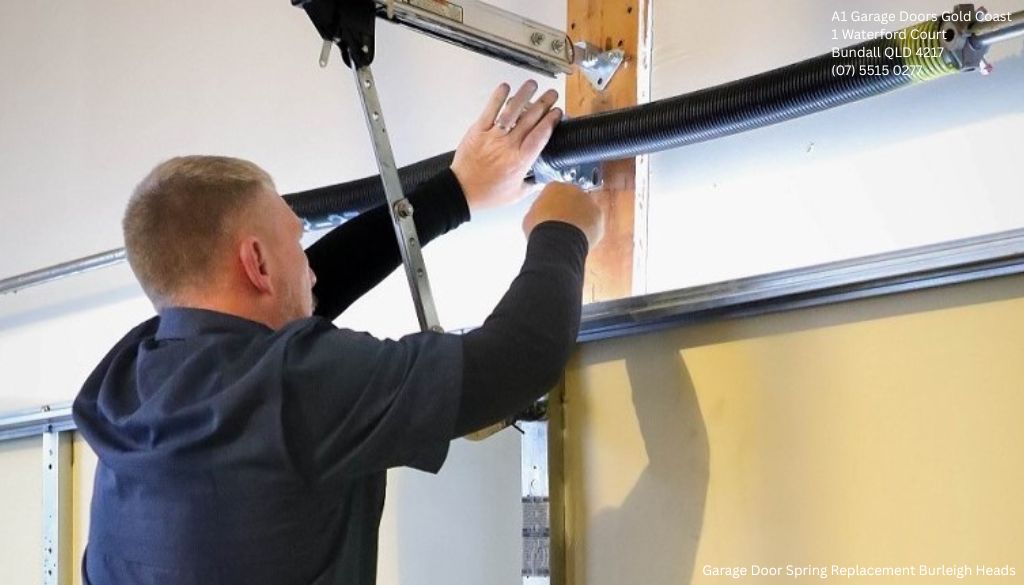
Q3: Are garage door springs dangerous to inspect or repair myself?
A: Yes, garage door springs store significant tension and improper handling can cause severe injury. It’s always safest to hire professional technicians for spring repairs or adjustments.
Q4: How much does a garage door safety inspection cost in Australia?
A: A1 Garage Doors Gold Coast gold coast garage door services Inspection costs vary but typically range between AUD 100 to 200. Some service providers include inspections as part of broader maintenance contracts.
Q5: What are photo eye sensors and why are they important?
A: Photo eye sensors are safety devices that detect obstacles in the path of the closing door, preventing accidental closures on people, pets, or objects by triggering an automatic reversal.
Conclusion
In summary, a professional garage door safety inspection is a comprehensive evaluation of mechanical parts, safety features, electrical systems, and overall structural integrity. Through detailed checking of door springs, opener mechanisms, photo eye sensors, door tracks, cables, and more, inspections identify potential hazards before they become serious problems.
Maintenance procedures such as lubricant application, tension adjustment, hardware tightening, and sensor cleaning improve operational smoothness and extend the life of your garage door system. Regular balance tests and electrical control checks ensure safe, compliant, and efficient functioning.
Homeowners, landlords, and property managers in Australia should schedule routine inspections at least annually, remain vigilant for warning signs, and rely on licensed professionals for servicing, especially regarding high-risk components like springs and electrical elements.
Prioritising garage door safety not only safeguards your family and property but also enhances convenience and peace of mind. If you want to ensure your garage door is in top condition, consider booking a full safety inspection with a qualified technician today.